Hello Pipe Enthusiasts!
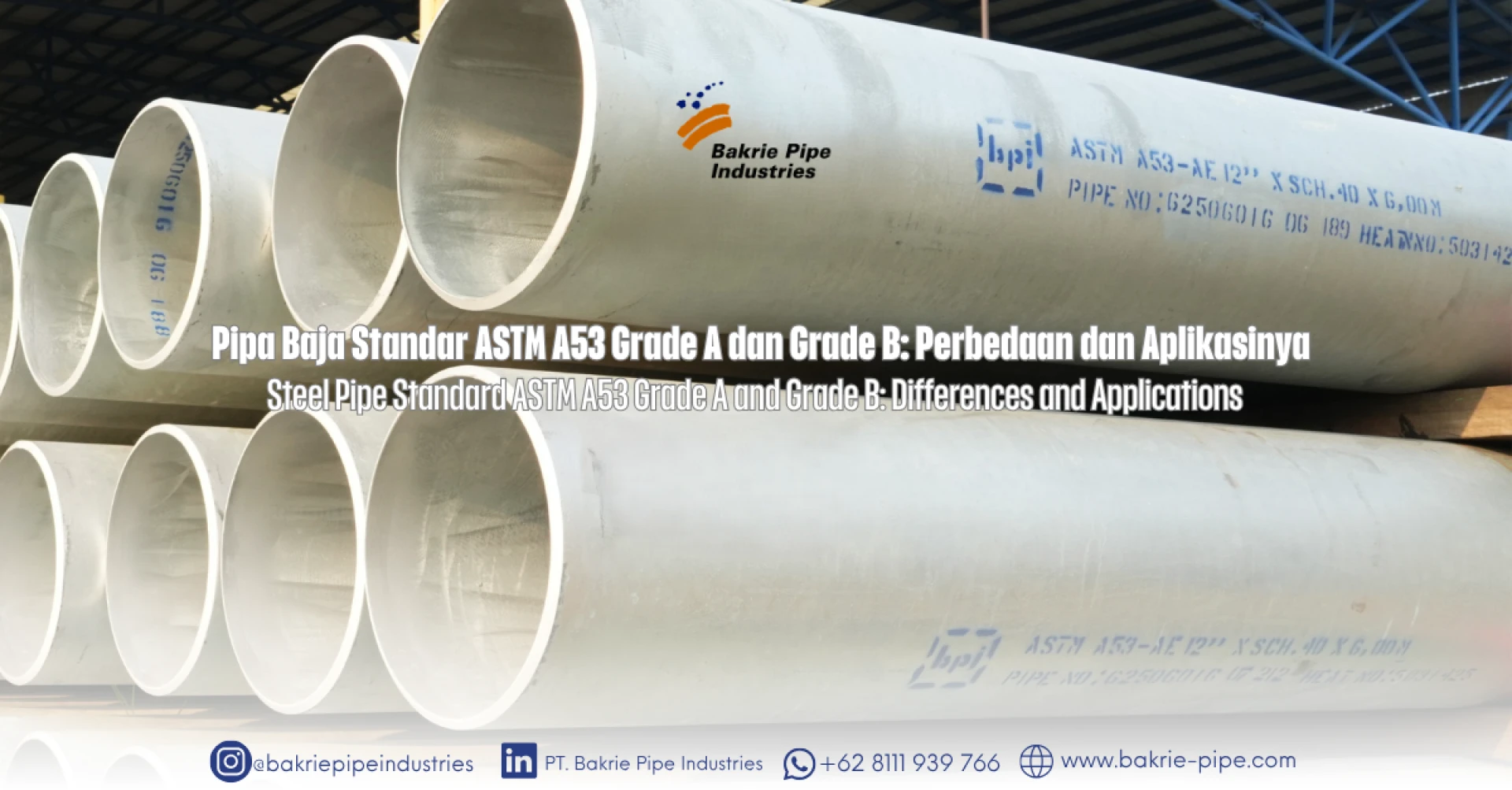
See you again in the #BPIPipeInsights! article! which discusses steel pipes. Steel pipes with the ASTM A53 standard are among the most widely used carbon steel pipes in various construction and industrial projects. This standard is internationally recognized and widely available in the market, from hardware stores and steel distributors to being one of the ready stock products at Bakrie Pipe Industries.
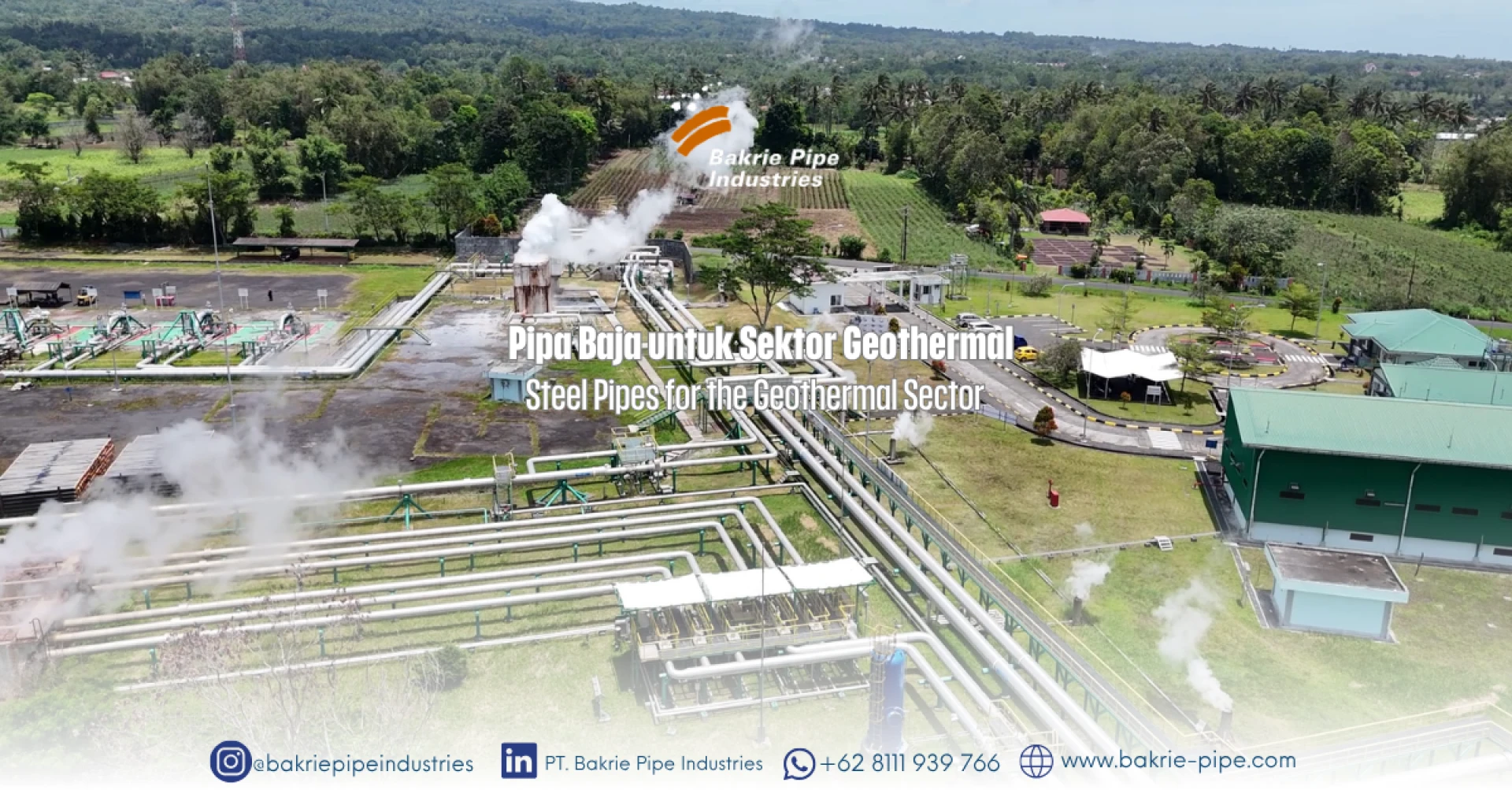
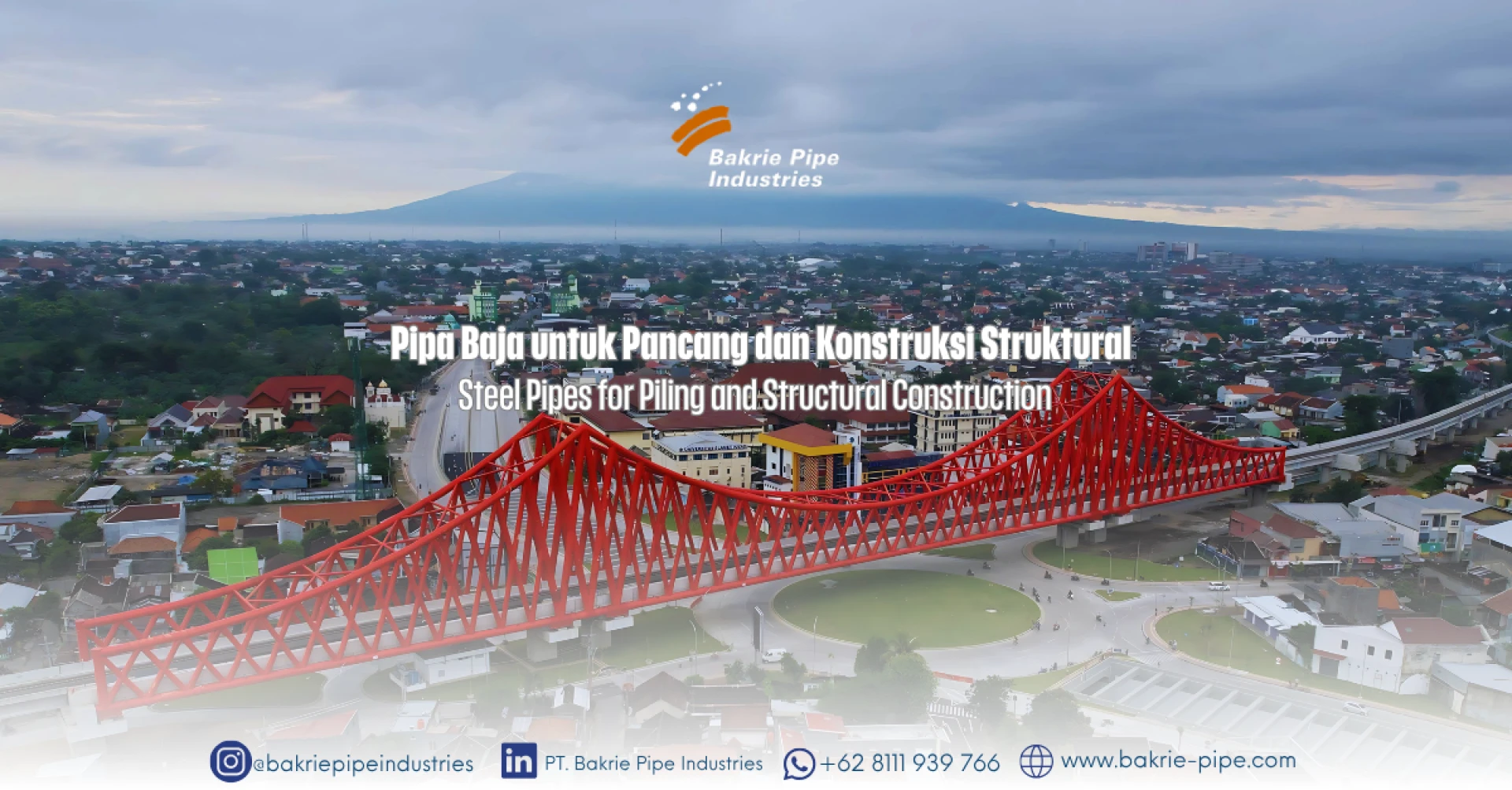
ASTM A53 is designed for mechanical and pressure applications, such as steam, water, gas, and compressed air pipelines. It is also suitable for structural purposes, making it one of the most versatile standards in the steel pipe industry.
Technical Differences of ASTM A53 Grade A and Grade B
Chemical Composition
- Grade A: Lower carbon content, making it more ductile, easier to form, and weldable.
- Grade B: Higher carbon content, providing greater tensile strength and better resistance to pressure.
Mechanical Properties
- Grade A: Minimum Yield Strength 205 MPa, Minimum Tensile Strength 330 MPa.
- Grade B: Minimum Yield Strength 240 MPa, Minimum Tensile Strength 415 MPa.
Applications of ASTM A53 Steel Pipes
ASTM A53 Grade A steel pipes are generally used in low-pressure systems such as water, gas, and steam pipelines. With material properties that are more ductile and easier to fabricate, Grade A is suitable for light structures, steel frameworks, and mechanical applications with medium loads. Its cost efficiency and ease of processing make Grade A an excellent choice for projects with standard requirements.
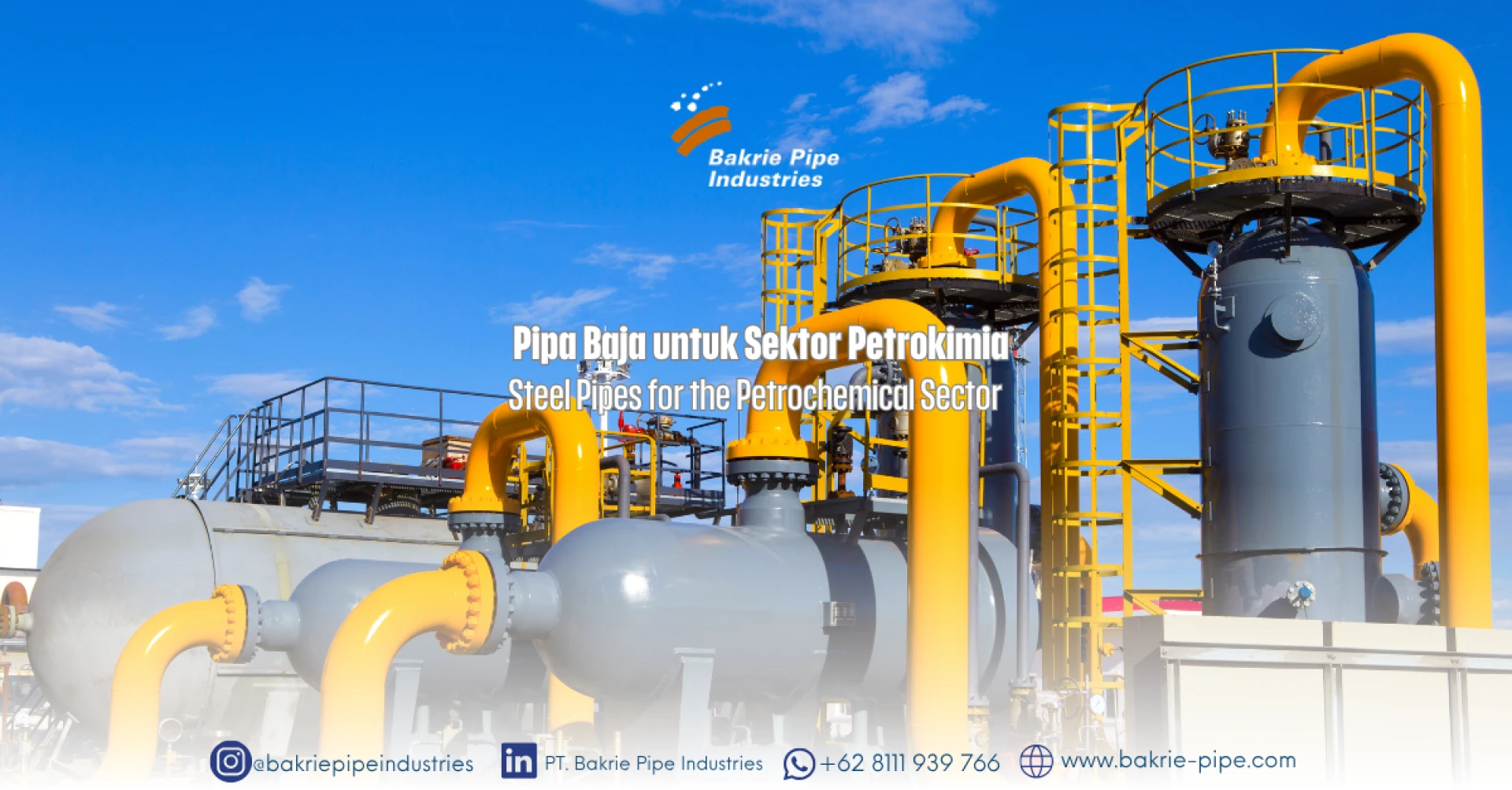
Meanwhile, ASTM A53 Grade B steel pipes have higher tensile strength and yield strength, making them more suitable for high-pressure systems such as steam lines, oil and gas pipelines, and heavy construction. Grade B is also widely applied in foundations and industrial projects that demand material resistance to high pressure and heavy loads. In oil and gas projects as well as large-scale construction, Grade B is often chosen because it provides long-term strength and reliability.
Conclusion
When selecting steel pipes under the ASTM A53 standard, understanding the differences between Grade A and Grade B is essential. Grade A is more suitable for projects that prioritize cost efficiency and materials that are easier to form and weld, making it ideal for light applications and low-pressure systems. On the other hand, Grade B offers higher tensile strength and durability, making it the right choice for high-pressure systems, heavy construction, and oil and gas projects that require long-term reliability.
Bakrie Pipe Industries (BPI) manufactures steel pipes under the ASTM A53 Grade A and Grade B standards with strict quality control. If you require ASTM A53 Grade A or Grade B steel pipes, do not hesitate to contact our team for specification consultation and procurement.