Hello Pipe Enthusiasts!
Welcome back to #BPIPipeInsights! where we discuss everything about steel pipes. This time, we will talk about the terms ERW and HFW. Have you ever read a steel pipe specification and found the term ERW (Electric Resistance Welding) in one standard, then HFW (High Frequency Welding) in another, and wondered whether they are different? In fact, both processes are based on electric resistance welding, but the terminology depends on the standard being used. Let’s break it down so it’s no longer confusing.
What is ERW?
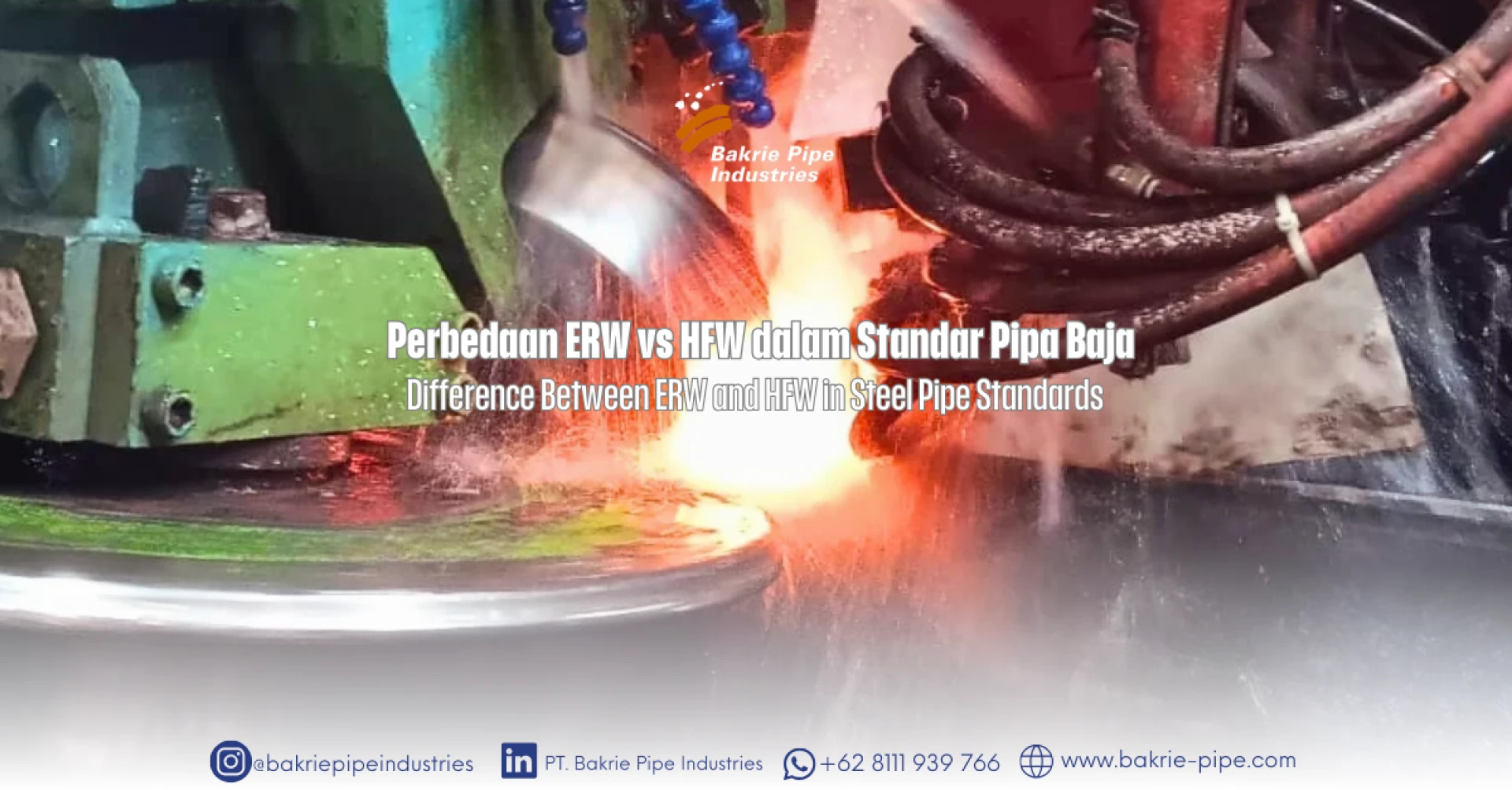
ERW (Electric Resistance Welded) is a general term for steel pipes joined using electric resistance current. The process uses electrical flow to heat the edges of steel plates until they fuse, producing a neat and consistent weld. Interestingly, ERW can use low, medium, or high frequency depending on production needs.
In international standards, the term ERW appears in several references, including:
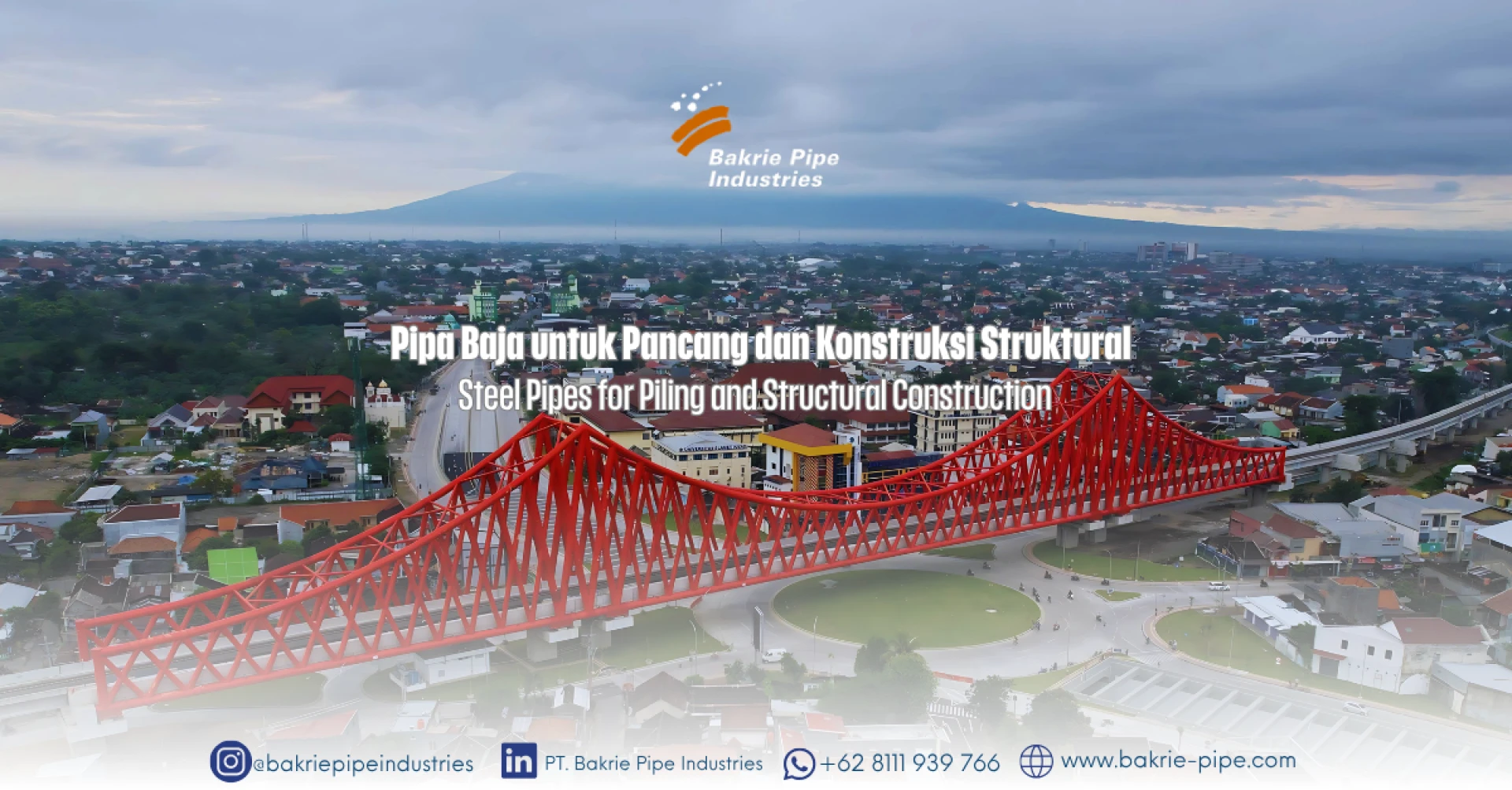
- ASTM A53 / ASTM A252 / ASTM A795 → used for carbon steel pipes in mechanical, utility, construction, piling, and fire protection applications.
- SNI 39:2024 → adopts the term ERW for steel pipes in water supply and gas installation systems in Indonesia.
- JIS G3452 / JIS G3444 / JIS A5525 → Japanese standards that also recognize ERW for ordinary piping, structural pipes, and steel pipe piles.
What is HFW?
HFW (High-Frequency Welded), also commonly referred to as HF‑ERW, is an electric resistance welding process that uses high frequency, generally above 70 kHz. With this frequency, the heat generated is more concentrated, resulting in deeper weld penetration and more consistent quality compared to low-frequency ERW.
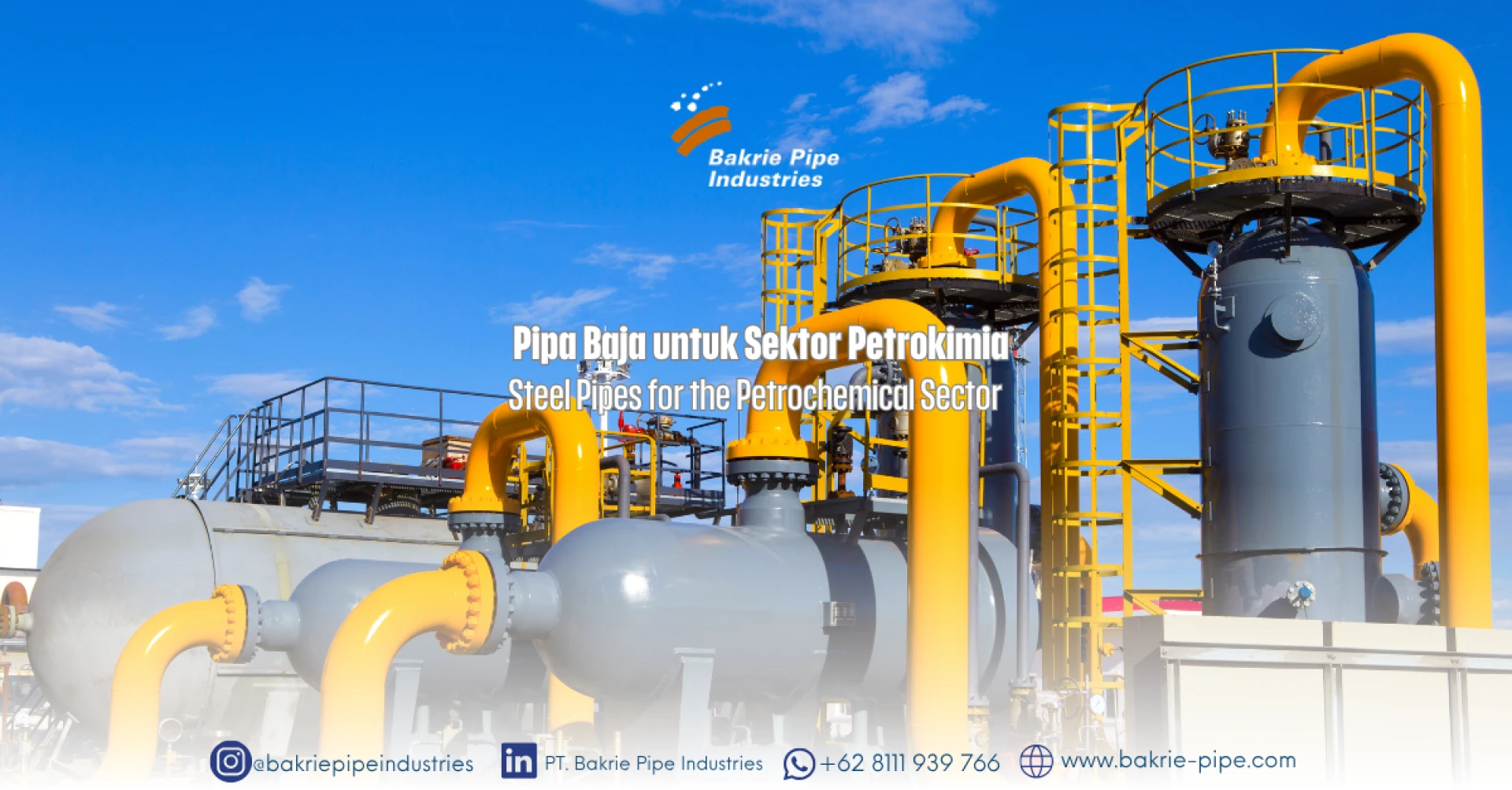
In the API 5L standard, the term HFW is used specifically for oil and gas line pipes, where weld quality requirements are very strict because the pipes must withstand high pressure and harsh operating conditions. The HFW process ensures stronger welds, making it suitable for medium to large diameter pipelines.
Interestingly, API not only recognizes HFW but also LFW (Low-Frequency Welded) for large-diameter pipes using frequencies below 70 kHz. So, API differentiates welding terminology based on the frequency used, while ASTM and other standards simply refer to it as ERW in general.
Conclusion
ERW and HFW are essentially the same electric resistance welding process, only differing in terminology across steel pipe standards. ASTM, SNI, and JIS generally use the term ERW, while API 5L and DNV-ST-F101 are more specific with the term HFW (High-Frequency Welded) to emphasize the use of high frequency (>70 kHz), which produces stronger and more consistent welds.
So, when reading steel pipe specifications across different standards, it’s important to understand that:
- ERW → general term for electric resistance welded pipe.
- HFW (HF‑ERW) → specific term in API or DNV-ST-F101 for ERW using high frequency, especially for high-pressure oil and gas pipelines.
By understanding these differences in terminology, we no longer get confused about whether ERW and HFW are different technologies. In essence, both are based on electric resistance welding, only differing in the context of standards and the level of precision emphasized.
Bakrie Pipe Industries manufactures steel pipes according to international standards, whether ASTM, JIS, API 5L, DNV, or national standards such as SNI, ensuring customers receive the right, high-quality products for their projects. If you need steel pipes under the mentioned standards, don’t hesitate to contact our Marketing and Sales team—our expert engineers are ready to assist you.
[Click here to contact Marketing & Sales via WhatsApp]